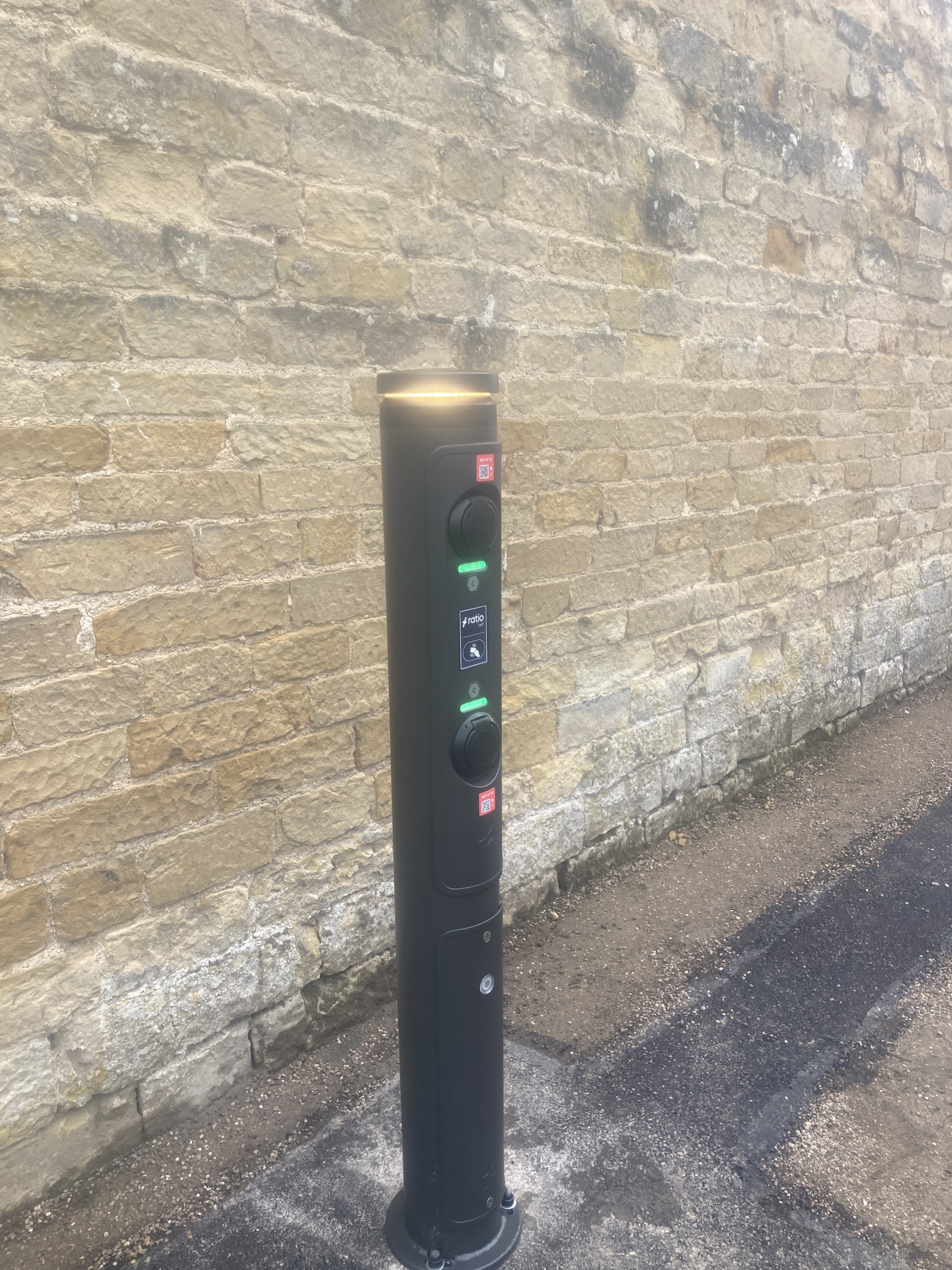
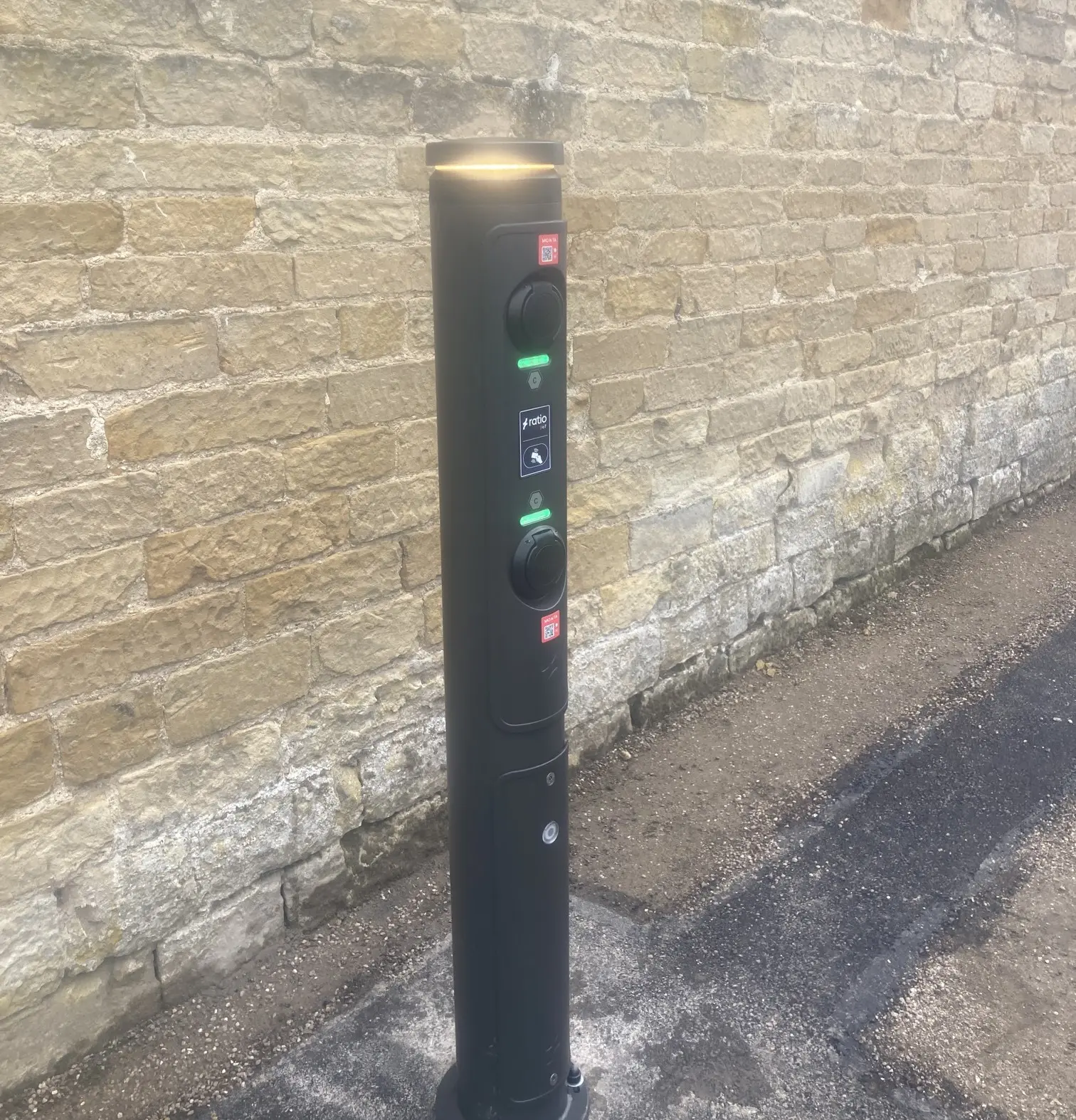
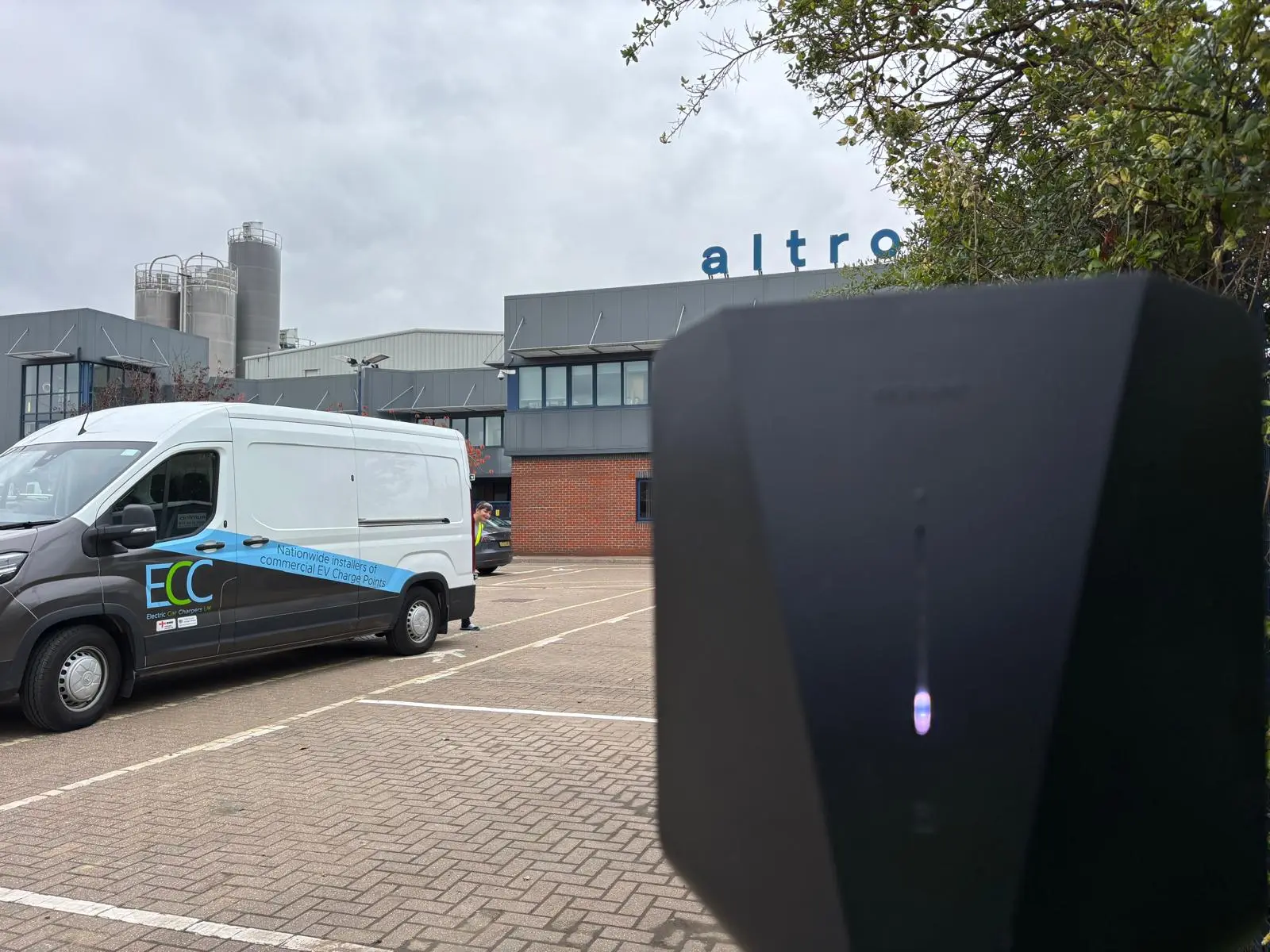
ECCUK were contacted by management at Castle Howard enquiring about the process of establishing their needs and costings for the fitting of EV charging stations for staff and visitor use. The management had identified a site where they wanted chargers for their customers and staff fleet EV charging.
The process of fitting the commercial electric vehicle chargers involved several crucial steps which ECCUK and Castle Howard management worked closely together on. These included:
Workplace EV Charger Site Assessment:
ECCUK conducted a thorough assessments of the site to identify optimal power supply, and future expansion possibilities.
EV Charger Selection
ECCUK carefully selected commercial EV chargers based on the expected usage patterns, charging speed requirements, and compatibility with various electric vehicle models. Consideration was also given to scalability for future expansion of the Fleet and customer EV charging infrastructure.
Cost Analysis and Budgeting:
ECCUK worked closely with the management at Castle Howard and conducted a comprehensive EV charger installation cost analysis, factoring in ongoing maintenance expenses and electricity consumption to develop a budget that aligned with Castle Howard financial objectives.
The electrical power infrastructure across the site was more than sufficient. So, no hurdles were identified to the EV charger roll out across the business.
Solution Implementation
The process of fitting the fleet and customer electric vehicle chargers was carried out by the ECCUK installation team. Once the EV chargers were live and operational the chargers were set up on a back-end EV charger management portal which allowed the Castle Howard management team to fully manage the usage of the fleet and customer EV chargers.
The final training and handover process was handled by the ECCUK office where the Castle Howard management were shown how to use the EV chargers and the EV charger management portal.
The successful implementation of the fleet and customer EV charger infrastructure has brought about several positive outcomes for Castle Howard. Including increased satisfaction among employees and customers who now had convenient access to EV charging and the financial benefits to Castle Howard of having pay to charge EV chargers on their site.
While fleet and visitor EV charger installations have initial investment costs, the long-term benefits include the extra revenue from EV charger users and helps Castle Howard with their continued move towards sustainable business practices.
Conclusion:
Fitting a commercial electric vehicle charger proved to be a transformative step for Castle Howard showcasing the benefits of sustainable practices within the business. This case study highlights the importance of strategic planning, and the positive impact that such initiatives can have on a company’s image, employee satisfaction, and the bottom